Delve Into the Domain of Fair Trade Tea: Outstanding Brews That Enable Sustainable Practices
Fair Trade tea demonstrates a harmonious balance of quality and ethics. Each cup furnishes a unique flavor profile while backing sustainable farming practices. This process not only elevates the tea experience but also supports struggling agricultural producers. Grasping its origins and validation frameworks discloses deeper layers of meaning. As shoppers become more intentional about their picks, the impact of Fair Trade tea extends beyond flavor. What exists beneath the surface of these choices?
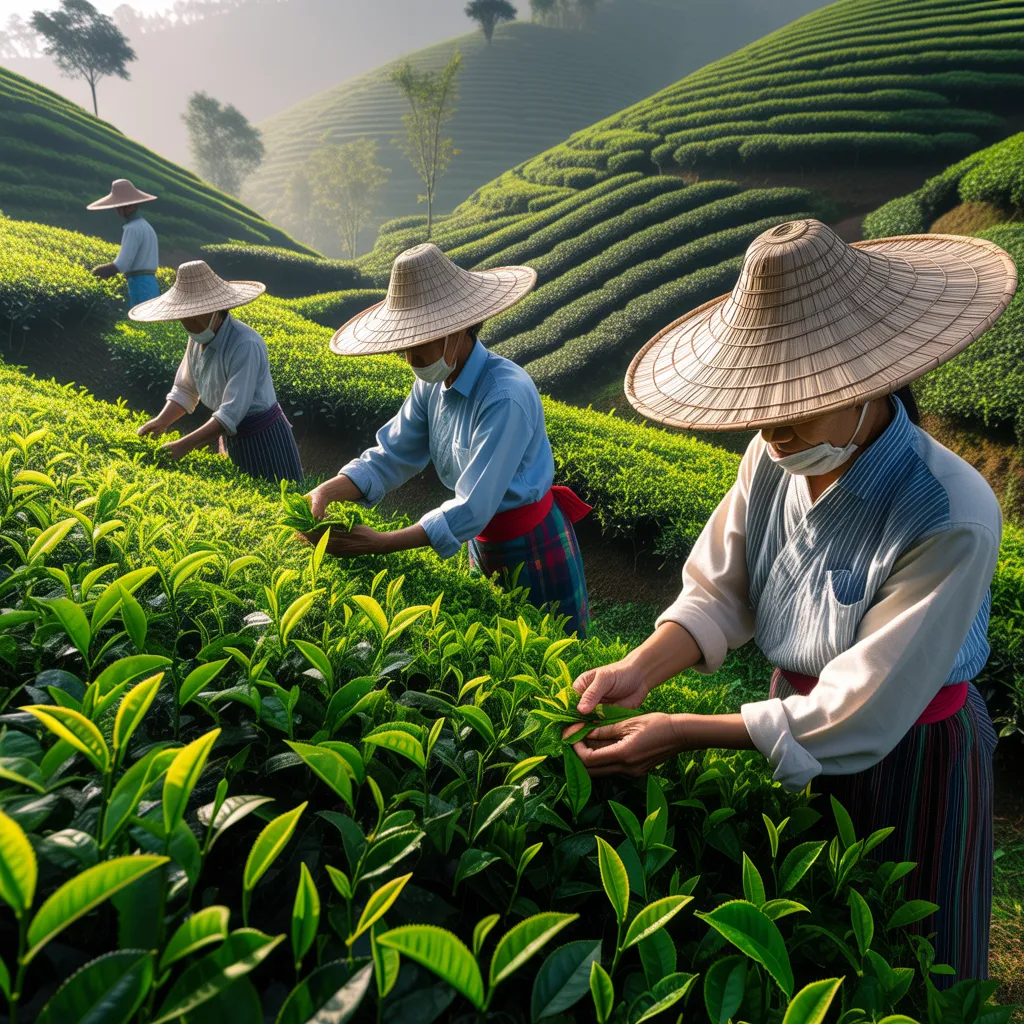
Understand the History of Fair Trade Tea
Fair Trade tea stems from the social and economic movements focused on advancing the livelihoods of sidelined farmers. Arising in the late 20th century, this project strived to tackle inequities in global trade, especially in developing countries where tea is often cultivated. The campaign gained traction as purchasers became more and more cognizant of the dire circumstances faced by small-scale farmers, encompassing inequitable prices and mistreatment by multinational companies.
By utilizing collaborative frameworks, Fair Trade sought to strengthen these farmers, guaranteeing they obtained fair compensation and assistance for sustainable farming practices. The movement also focused on advancing environmental responsibility, promoting organic farming and biodiversity. As awareness increased, Fair Trade tea became a representation of responsible purchasing, connecting consumers directly with the origins of their beverages. By selecting Fair Trade tea, individuals contribute to a larger goal of social justice and economic equity, creating a more sustainable future for tea-growing communities.
Grasp the fundamentals of Fair Trade Certification for environmentally conscious methods
Grasping Fair Trade certification is fundamental to recognizing how sustainable practices are sustained within the tea industry. This certification promises that producers receive fair wages and work under safe conditions, which directly aids community development. Fair Trade standards support environmentally sustainable farming methods, reducing the use of harmful chemicals and encouraging biodiversity.
Certification fosters clarity in the supply chain, permitting customers to track their tea back to its source. By following these standards, farms engage in practices that protect environmental assets and support local ecosystems. Additionally, Fair Trade groups often deliver learning materials and training to farmers, empowering them to improve their production methods and financial security.
In the final analysis, Fair Trade certification elevates the quality of tea while aligning consumer preferences with principled and eco-conscious beliefs, establishing it as an indispensable feature of the tea industry's commitment to societal responsibility and environmental guardianship.
Investigate Leading Varieties of Fair Trade Tea
While many tea connoisseurs treasure the rich flavors and aromas of assorted teas, discovering the top varieties of Fair Trade tea reveals a more substantial pledge to moral sourcing and green practices. Some trendy options showcase Fair Trade Assam, celebrated for its assertive, grain-like flavor, and Fair Trade Darjeeling, often referred to as the "Champagne of teas" for its delicate floral notes. Another prominent variety is Fair Trade Earl Grey, steeped with bergamot, offering a distinctive lemon quality.
Furthermore, Fair Trade Green Tea, renowned for its invigorating qualities and health benefits, is increasingly favored among health-conscious consumers. Herbal blends, such as Fair Trade Chamomile and Peppermint, also excel, providing soothing and calming effects. Each of these varieties not only provides exceptional flavor but also helps farmers and communities working for better livelihoods, making them a responsible choice for tea lovers seeking quality and ethical assurance.
Brewing Fair Trade Tea: Suggestions for an Excellent Cup
To create the perfect cup of Fair Trade tea, focus is important, as the correct techniques can enhance the tea's distinctive aromas and aromas. The first step is that water quality is key; using filtered water ensures a fresh flavor that allows the tea's features to stand out. Also, the water temperature is critical; specific temperatures are required for different tea varieties; black tea is brewed with boiling water and green or herbal teas are brewed cooler.
Afterward, the brewing time ought to be meticulously respected. Oversteeping can trigger bitterness, while minimal steeping may not retrieve the full flavor profile. A basic principle is 3-5 minutes for black tea and 2-3 minutes for green tea.
Finally, employing the correct proportion of tea to water enhances the flavor; one teaspoon of loose tea per cup is a solid foundation. By following these suggestions, tea enthusiasts can completely enjoy the rich offerings of Fair Trade tea.
Environmental Advantages of Fair Trade Tea
Brewing Fair Trade tea not only elevates the tea experience but also backs sustainable agricultural practices that benefit the environment. Fair Trade certification motivates farmers to use organic farming methods, which minimize the reliance on harmful pesticides and fertilizers. This method promotes species diversity, helping to preserve local habitats and safeguard wildlife habitats.
Additionally, Fair Trade methods often emphasize soil health and water preservation, ensuring that tea cultivation does not drain essential resources. By supporting small-scale farmers, Fair Trade also cultivates agroforestry, which unites tea cultivation with other crops and trees, further strengthening environmental resilience.
Furthermore, Fair Trade tea typically involves environmentally read this article friendly wrapping and transportation methods, lowering the greenhouse gas emissions connected to its distribution. Ultimately, selecting Fair Trade tea represents a deliberate commitment to advance a increasingly eco-friendly agricultural system that respects both the Earth and its inhabitants.

The Way Your Tea Choice Boosts Communities Worldwide
Investing in Fair Trade tea bolsters global communities by providing farmers with fair remuneration and superior working conditions. This resolve warrants that tea cultivators can preserve their livelihoods while helping their families and community markets. By purchasing Fair Trade tea, end consumers advance the development of key community services, like learning opportunities and healthcare.
Fair Trade certification encourages responsible conduct, requiring companies to follow standards that emphasize workers' rights and environmental sustainability. As a consequence, farmers are incentivized to cultivate high-quality tea, which not just improves their income but also creates satisfaction in their work.
Additionally, the direct trade partnerships established through Fair Trade eradicate predatory middlemen, permitting farmers to engage with buyers worldwide. This transparency fosters trust and encourages a global admiration for the cultural significance of tea. Ultimately, each cup of Fair Trade tea serves as a reminder of the positive impact individuals can have on global communities through mindful consumption.
Frequently Asked Questions
How Can I Recognize Fair Trade Tea Products in Stores?
To find fair trade tea products in stores, one should search for official certifications, such as Fair Trade Certified or Rainforest Alliance. Additionally, examining companies dedicated to ethical sourcing can support choosing wisely.
Are There Any Health Benefits Associated With Fair Trade Tea?
Fair trade tea may provide multiple wellness advantages, including antioxidants supporting cardiovascular wellness, better digestive function, and increased mental sharpness. Additionally, ethical sourcing practices support environmentally conscious farming, ultimately benefiting a more sustainable ecosystem and improved community welfare.
Will I Source Ethically Sourced Tea Available in Digital Shopping Platforms?
Yes, fair trade tea is commonly found in online marketplaces. Numerous retailers present a variety of selections, confirming shoppers can readily purchase ethically sourced options that champion both environmental stewardship and fair labor practices.
What Role Does Fair Trade Tea Play in Regional Economic Development?
Fair trade tea positively impacts local economies by providing farmers with fair wages, supporting community growth, and encouraging sustainable farming practices. This assistance enhances livelihoods, promotes economic stability, and empowers communities to invest in education and healthcare.
What's the Best Way to Preserve Fair Trade Tea for Optimal Freshness?
To boost freshness, fair trade tea should be kept in a sealed jar, shielded from light, strong odors, and humidity. Maintaining it in a dark, cool location helps protect its aroma and flavor over time.